Overview
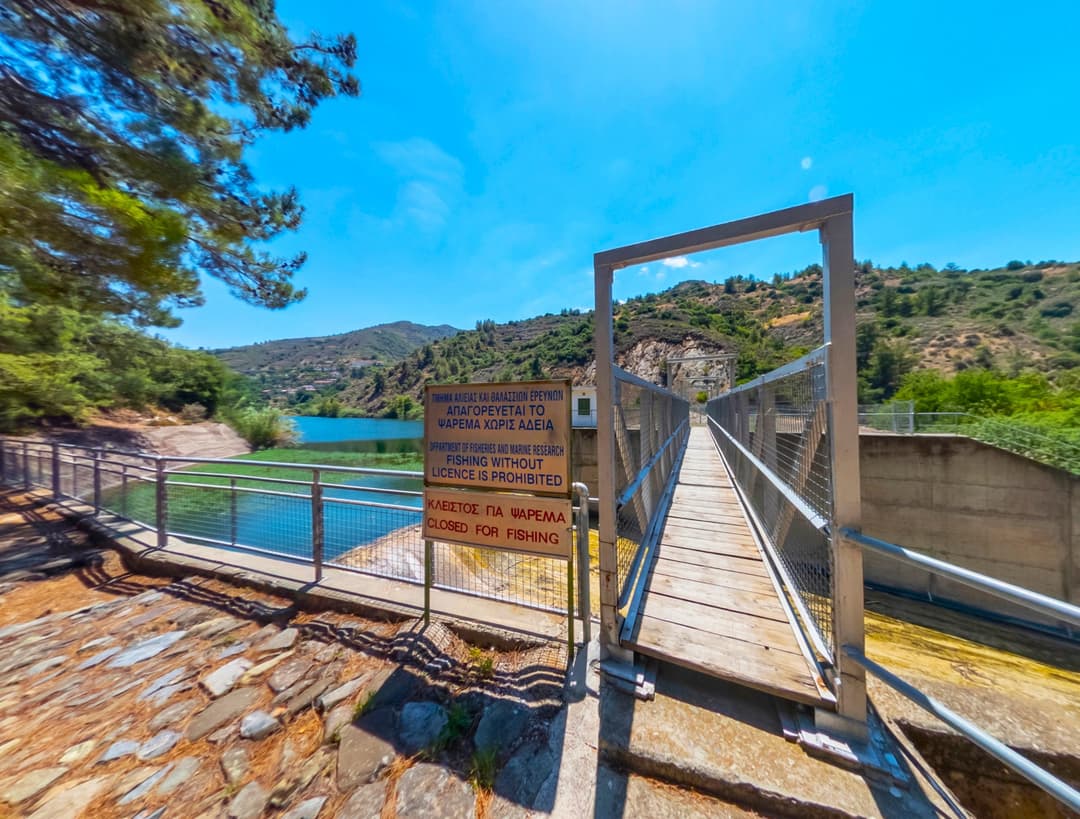
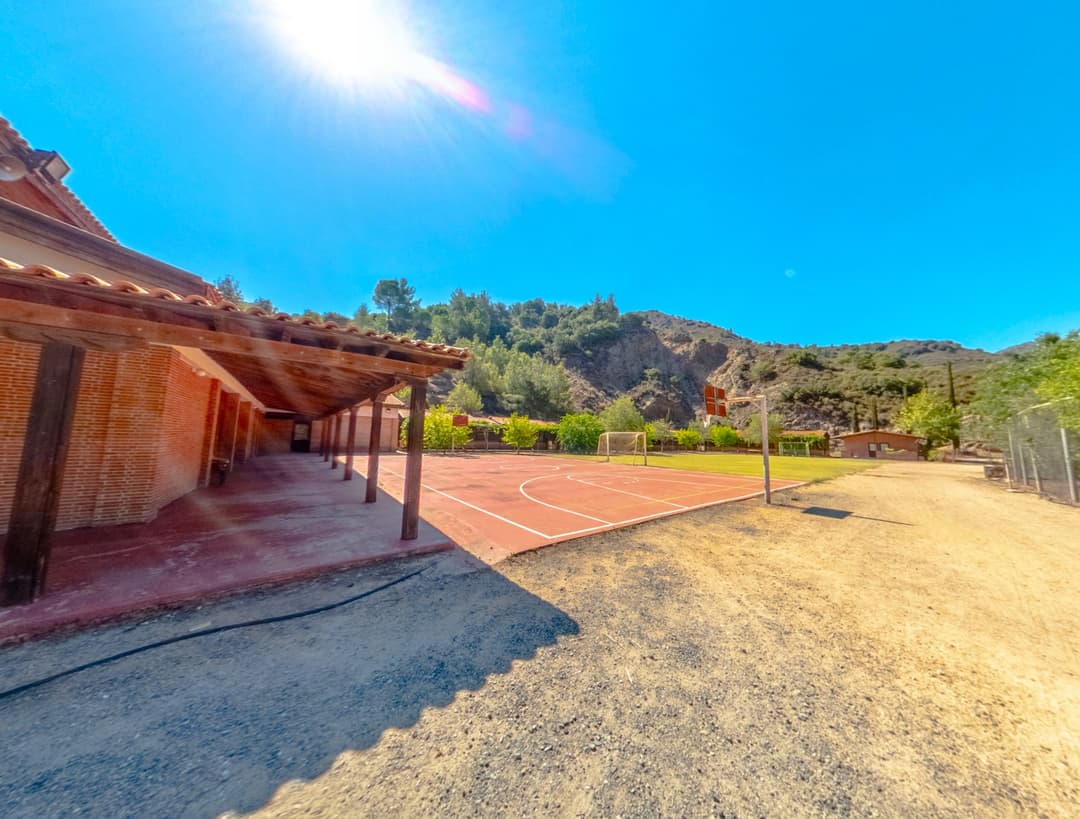
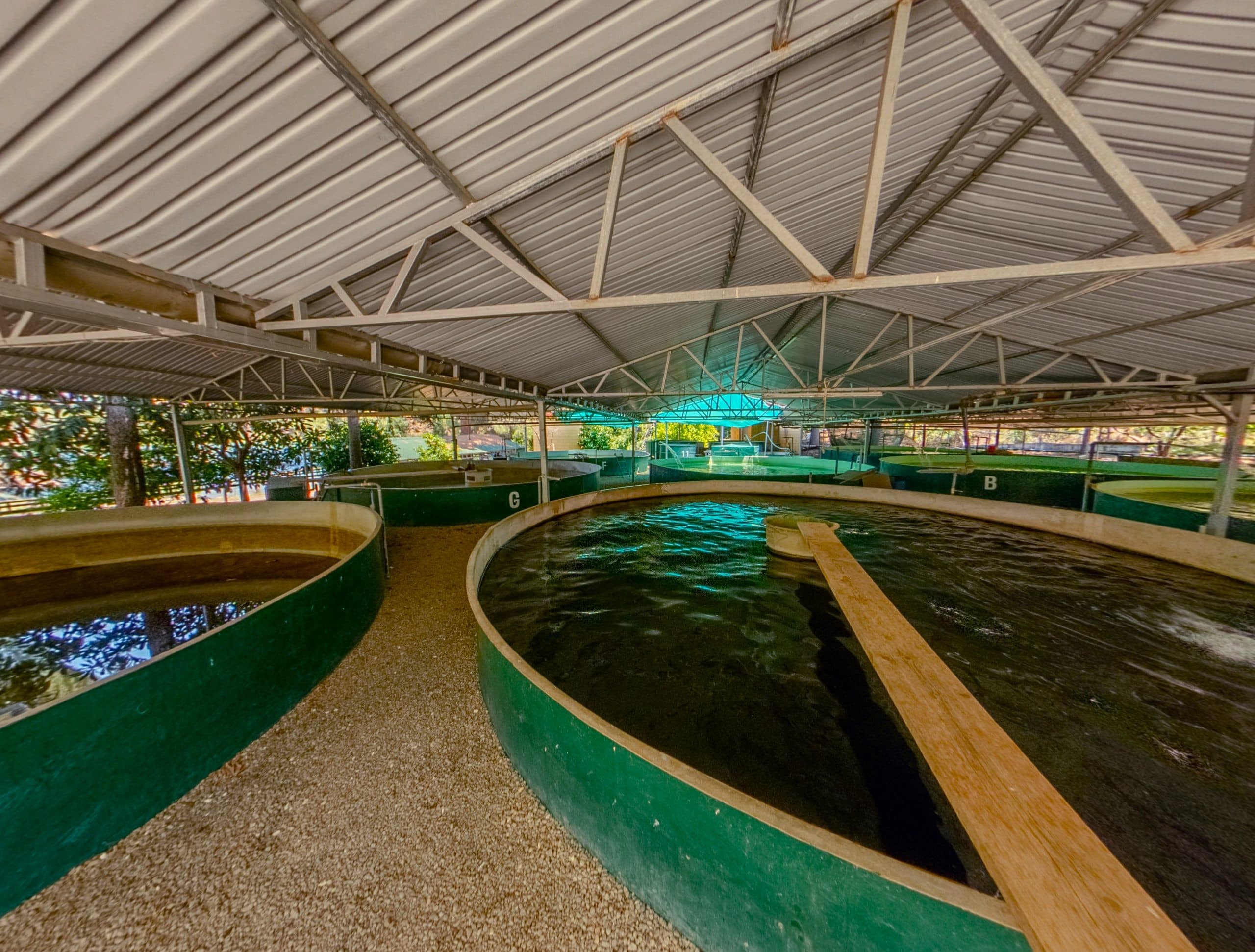
The Kalopanayiotis Freshwater Aquaculture Research Station was established by the Department of Fisheries and Marine Research in 1969. It is situated on the north side of Kalopanayiotis dam and covers an area of 60,000 m2. The first experiments were carried out on the culture of rainbow trout (Oncorhynchus mykiss), as well as on other species of the salmonidae family. Facilities The Station has grow-out facilities of 800 m3, consisting of several fiberglass tanks of different water capacity, four concrete raceways and one small earthen pond. The hatchery contains six series of trays (flow through system) for trout eggs of total capacity of 0.5 million eggs and several conical and Mc-Donald jars for egg incubation. During the winter months, the water at the Station is supplied from the nearby dam, whereas during the summer months, the water is supplied from natural springs near the Station; part of this water is recirculated. For the water treatment of incoming and outgoing water, the Station has a facility with UV treatment and several settling tanks. The Station also has a building with controlled environmental conditions to facilitate the reproduction of sturgeon and other fish species, a feed mill for the production of fish feed, a small laboratory, offices and facilities for the staff. Research & Development Reproduction, larval development and grow-out of rainbow trout (O. mykiss) Reproduction of sturgeon species Reproduction and culture of koi carps • Grow-out of eel (Anguilla anguilla), large mouth bass (Micropterus salmoides), American channel catfish (Ictalurus punctatus), mirror and crucian carp (Cyprinus carpio and Carassius carassius), roach (Rutilus rutilus), goldfish (Carassius auratus) and tench (Tinca tinca) broodstock Enrichment of dams with various types of fish, for recreational fishing Supply of trout eggs and juveniles to trout farmers Production of rainbow trout The rainbow trout (0. mykiss) is found in temperate climates around the world, since it is one of the most widely introduced fish. The natural habitat of the species is fresh water and it feeds on insects, crustaceans, mollusks, fish eggs and small fish. The reproductive period of the rainbow trout in Cyprus lasts between November and May. The eggs are incubated in trays for 25-30 days after their fertilisation and the newborn larvae are collected and transferred to 500 lit. tanks About 12 days after hatching, the larvae start feeding on fine dried feed. When they grow up to fingerling size, they are transferred to concrete raceways. Most of these fish are stocked in the dams in order to promote sport fishing. In addition, a number of fingerlings and fertilized eggs are supplied to trout farmers. Production of sturgeon The Siberian sturgeon is a freshwater species found in a temperature range of 1–26 °C. It has a lifespan of 60 years and becomes sexually mature between the ages of 7-12 years depending on water temperature and food availability. Siberian sturgeon fingerlings were imported from Hungary to Cyprus in 1993, with the purpose of constituting a broodstock, which would result in a future diversification of the Cyprus freshwater aquaculture production.